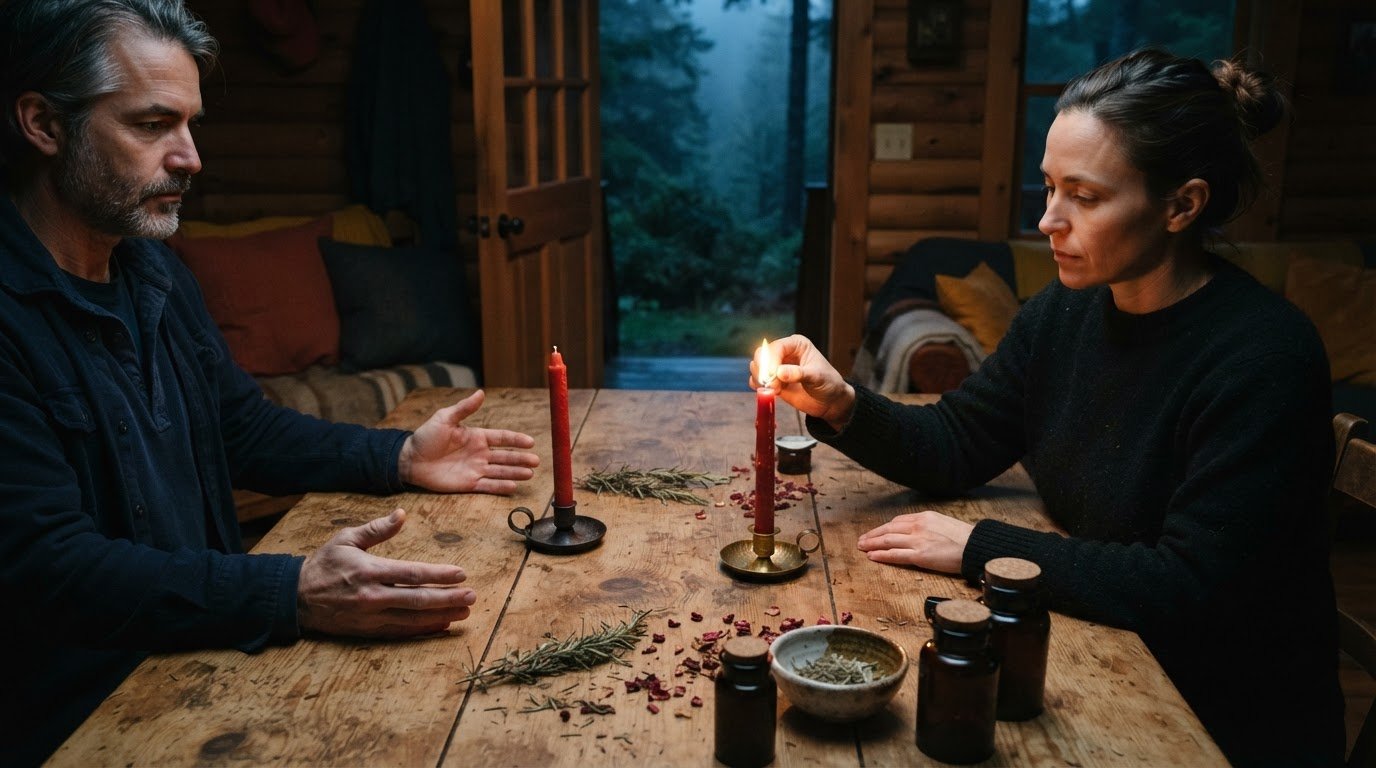

A love spell can affect you emotionally if it encourages fixation, disregards another person’s consent, or replaces honest communication. Choosing a love spell instead of dating advice doesn’t remove the need for clear boundaries or thoughtful judgment. Treat a ritual as a personal spiritual practice, not a guaranteed way to control someone else’s feelings.
It’s understandable to want certainty when love feels complicated. This guide will help you weigh the risks, understand candle and mirror rituals, and set intentions around the kind of relationship you want, rather than trying to compel a specific person.
You’ll also learn what to consider before seeking help with a spell, including how to recognize claims that promise too much. The aim is a considered next step, not a rushed decision: understand what a ritual means to you, keep consent in view, and choose support that respects your agency.
Key Takeaways
- Recognize when a ritual could encourage fixation or blur consent, and keep your choices grounded in respect for everyone involved.
- Learn what candles, mirrors, and personal items can represent in a professionally guided ritual.
- Clarify the kind of relationship you want before shaping an intention, so the focus stays on your hopes and boundaries.
- Understand what to look for in spiritual support and when a professional love-spell service may suit your needs.
Can Love Spells Backfire?
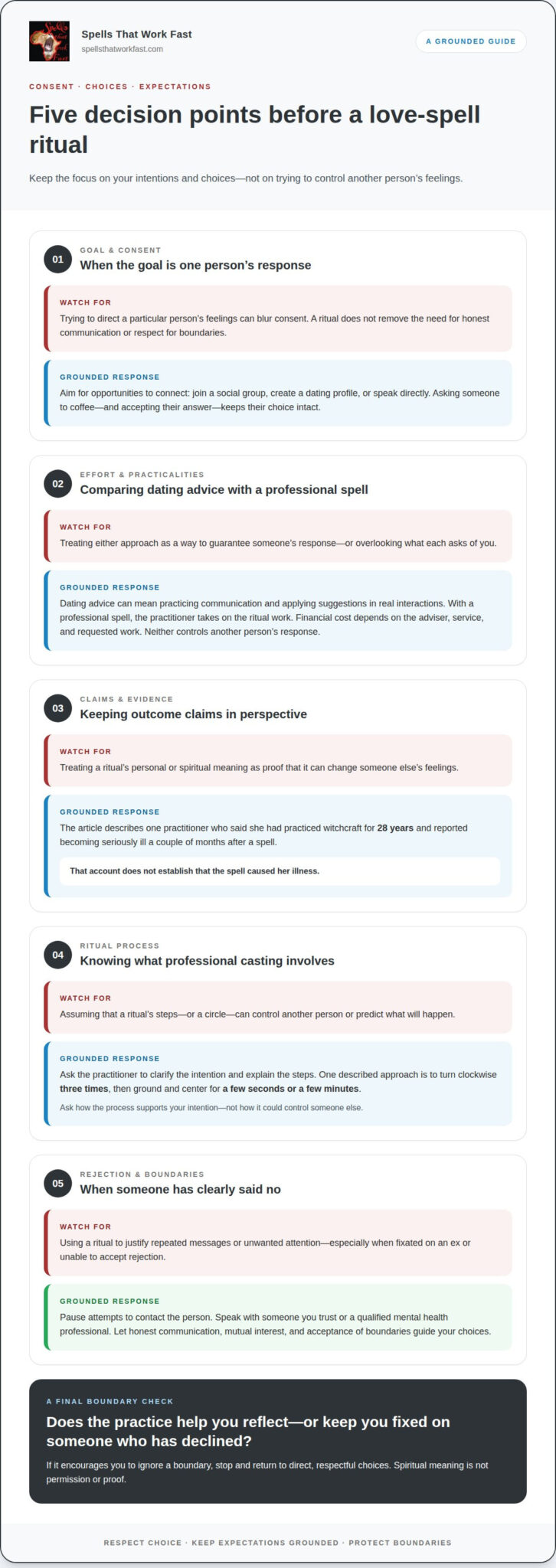
- Choose a goal that respects choice. For meeting people and building attraction, try a social group, a dating profile, or a direct conversation. For example, ask someone to coffee and accept their answer. These steps create chances to connect without trying to direct a particular person’s feelings.
- Compare what each approach asks of you. Dating advice can involve practicing communication and applying suggestions in real interactions; a professional spell shifts the ritual work to the practitioner. Financial cost depends on the adviser, service, and requested work. Neither approach controls another person’s response, so weigh practical effort alongside spiritual meaning.
- Keep claims about outcomes grounded. A ritual can hold personal meaning, but don’t treat it as a scientifically established way to change someone’s feelings. One practitioner who said she had practiced witchcraft for 28 years reported becoming seriously ill a couple of months after a spell. That account doesn’t establish that the spell caused her illness.
- Ask what professional casting involves. A practitioner may clarify the intention, explain the ritual’s steps, and use a circle as part of the ceremony. One described approach involves turning clockwise three times, then grounding and centering for a few seconds or a few minutes. Ask how the process supports your intention, not how it can control someone else.
- Respect a clear rejection. Pursue a relationship through honest communication, mutual interest, and acceptance of boundaries. If you’re fixated on an ex or can’t accept rejection, pause attempts to contact them and speak with a trusted person or qualified mental health professional. Don’t use a ritual to justify repeated messages or unwanted attention.
An author’s circle-casting example involves walking or turning clockwise three times. That describes a ritual method, not evidence that it can influence another person or predict what will happen. Before proceeding, consider whether the practice helps you reflect on your intentions or keeps your attention fixed on someone who has declined. If it encourages you to ignore a boundary, stop and return to direct, respectful choices. Spiritual meaning is not permission or proof.
How professionals use candles, mirrors, and personal items
- Clarify what each object represents. A practitioner can explain how a candle, mirror, or personal item supports the ritual’s focus. For example, a mirror may serve as a point for reflection, while a candle marks the intention. Ask how each object relates to your goal, rather than assuming an object guarantees a particular result.
- Discuss the color and meaning of candles. Pink candles are often associated with affection and tenderness in love rituals. Some marriage-spell instructions use two pink or red candles, paper, a pen, and a fireproof dish. In professional casting, the practitioner should explain the chosen materials and their role before beginning.
- Set expectations for the ritual’s pace. Candle rituals don’t follow one universal schedule. In one reported relationship ritual, a candle burned continuously for about three days and was found out on the fourth morning. That example isn’t a standard timeline. Ask what the practitioner plans to do and what participation, if any, they expect from you.
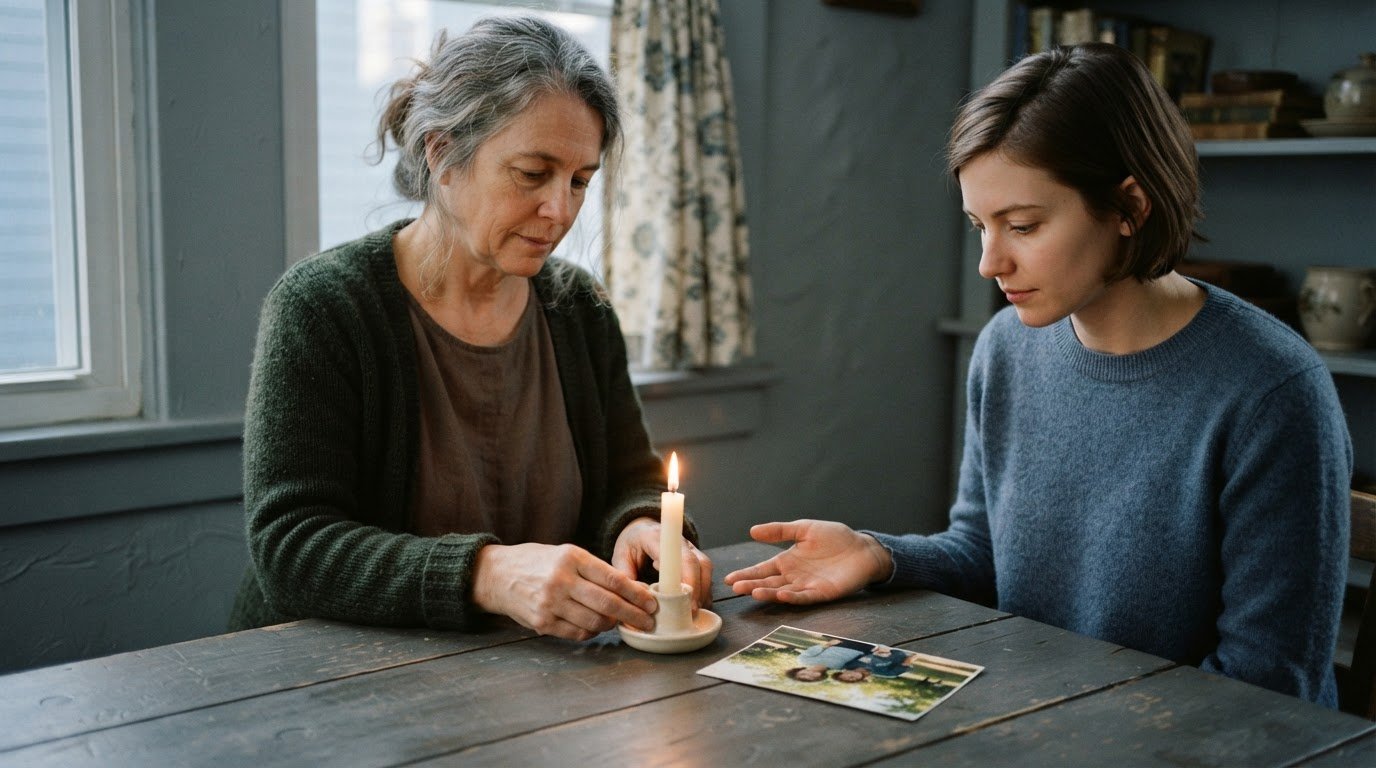
- Handle personal items with clear permission. Photographs can represent a relationship or a person’s memory, but their use should match the intention and respect everyone’s boundaries. Some spell instructions describe placing a photo beside the practitioner with a red candle behind it at midnight. A professional should explain whether an item is needed and why.
- Choose a practitioner who explains the process. Before a pink-candle ritual, get a clear description of its purpose, materials, and limits. Notice whether the practitioner invites questions and keeps the focus on your hopes, rather than promising control over another person. If the ritual involves private items, agree on their use before casting begins.
How a professional can help shape love intentions and rituals
- Define the intention before choosing a ritual. A practitioner can help turn “I want love” into a clear aim, such as seeking trust, companionship, or mutual affection. They may ask which qualities matter most in a relationship. Choosing a love spell instead of dating advice can feel like a different path, so name what you hope the ritual will mean to you.
- Keep the focus on the connection you want. Describe the qualities you hope to welcome, rather than directing another person’s feelings without consent. For example, ask for openness to a caring relationship, not control over a named person. This gives the intention a clear boundary and keeps your own hopes at its center.
- Discuss ritual timing and tradition. Some guidance favors a full moon or Friday over a waning moon. A practitioner can explain whether that timing fits the tradition they follow and the intention you’ve described. Treat the calendar as part of the ritual’s structure, not evidence that someone will respond in a particular way.
- Match the ritual to your emotional goal. A self-love ritual has a different focus from welcoming a relationship. One described practice is intended to take 15 minutes to an hour, with at least 3 minutes of visualization and 7 minutes as a suggested aim. A practitioner can discuss how those elements relate to your intention.
- Agree on participation and follow-up. Clarify what the practitioner handles and whether you need to share a written intention or personal item. Some guidance suggests leaving a self-love altar in place for a full lunar cycle when possible. If you choose a love spell instead of dating advice, ask how the ritual’s stages connect with your goal and what reflection afterward may involve.
- Choose a grounded way to reflect. Ask how to assess the experience without treating ordinary events as certain signs. For example, consider whether the intention helps you recognize the qualities you value in a partner. Keep the reflection connected to your choices, boundaries, and readiness for a mutual relationship.
Love-spell services and experts
Watch for promises of reunion, pressure to pay escalating fees, or threats of a curse if you stop. For example, someone who demands secrecy and promises control over an ex’s choices is using pressure, not offering grounded spiritual support.
- Ask how the service begins. A responsible practitioner should clarify your goal before describing a ritual. For example, wanting a reciprocal relationship gives the work a different focus from trying to make one named person return. Notice whether the discussion respects that distinction.
- Look for plain explanations. The practitioner should describe what the service involves, what you may need to share, and what participation is expected. If answers stay vague after you ask about the process, pause. Clear information lets you decide without feeling rushed or confused.
- Separate spiritual belief from promises. A professional can explain the ritual’s purpose without claiming certainty about another person’s feelings. Treat phrases like “guaranteed reunion” or “they will contact you tonight” as warning signs. A meaningful practice should not require certainty about someone else’s choices.
- Consider testimonials carefully. A personal account can describe one person’s experience, but it can’t establish what will happen in your situation. For instance, a story about reconciliation doesn’t prove a spell caused it. Use testimonials as context, not as a promise or substitute for a clear explanation.
- Keep control of your decisions. Don’t agree to added rituals because someone says harm will come unless you act immediately. A practitioner should let you consider the service and its terms without threats or pressure. If you want to explore a love ritual, review professional love-spell support and decide at your own pace.
Spells That Work Fast: Instant Love Spells That Work Fast
Spells That Work Fast offers Instant Love Spells That Work Fast for people seeking spiritual support around love. Consider this service when you want a ritual shaped around your hopes for a relationship, rather than more dating tips. Be clear about your intention and the kind of connection you want to welcome. A spell can be part of your spiritual practice, while mutual interest and personal boundaries still matter in real relationships. Choose a service that fits your goal, and keep expectations grounded in what a ritual means to you. If your focus is love, this offering is a relevant next step. Contact Spells That Work Fast to discuss an Instant Love Spell.
Choose a next step that respects your hopes
Choosing a love spell instead of dating advice can be a spiritual choice, but let it support your judgment rather than replace it. Decide what you hope to welcome, which boundaries matter, and what real-world step feels right for you. A ritual can’t guarantee another person’s feelings, so keep your choices grounded in mutual respect and your own wellbeing.
For spiritual support focused on love, Spells That Work Fast offers Instant Love Spells That Work Fast. Other offerings include Powerful Money Spell To Attract Wealth Instantly and Spells For Business Growth Support and Success. Choose the service that fits your intention, and don’t let uncertainty push you into a rushed decision.
Take the next step at your pace. Contact Spells That Work Fast to discuss your interest in love-spell support. Hold on to your agency, stay clear about what you want, and move forward with care.
Frequently Asked Questions
What are love spells, and what do people believe they do?
Love spells are spiritual rituals people use to focus hopes around romance, connection, or affection. Some believe a ritual can help invite love or strengthen their intention; others value it as a symbolic way to reflect on what they want. For example, someone might use a ritual to mark a fresh start after a breakup. Beliefs and interpretations differ, so separate personal meaning from guaranteed outcomes.
What are ethical concerns around trying to influence someone’s romantic feelings?
The key concern is treating another person’s feelings as something to control. For example, if someone has asked for no contact, a ritual aimed at making them return can reinforce disregard for that boundary. Focus intentions on qualities you hope to find in a relationship, such as honesty or companionship. Let the other person choose freely whether to connect.
Are love spells safe, and what psychological risks should people consider?
A ritual’s emotional effect depends on how it shapes your thoughts and actions. If you find yourself repeating rituals, losing sleep, or reading every coincidence as proof, pause and reassess. Avoid decisions driven by fear or urgency. If distress begins interfering with daily life, talk with a qualified mental health professional or someone you trust before pursuing further spiritual work.